

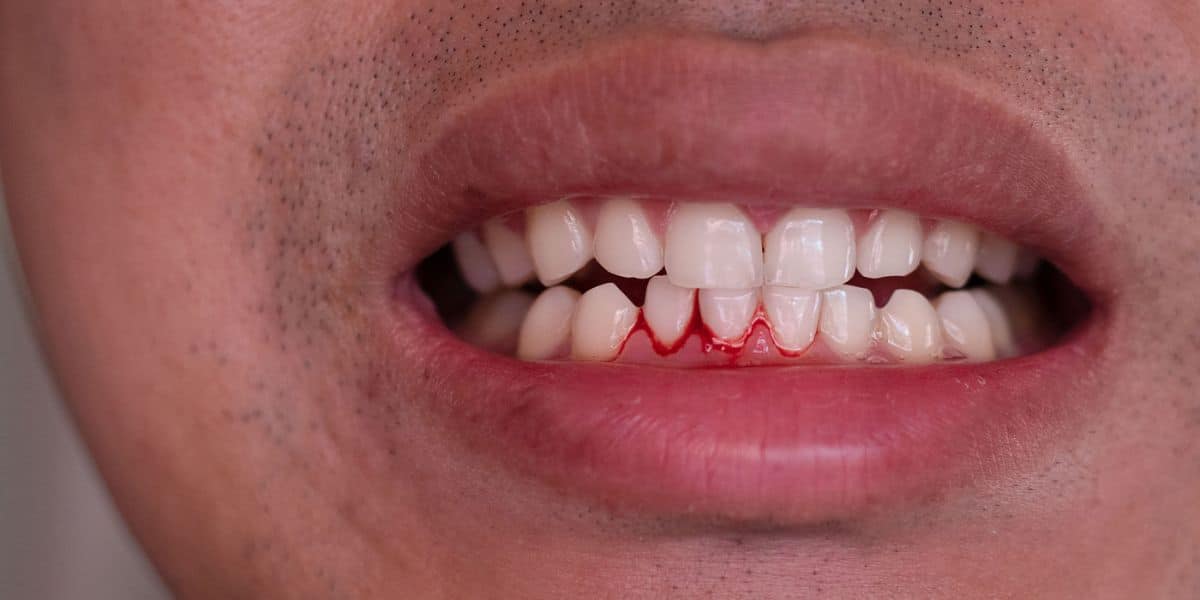
Finding blood in the sink after you brush can feel like an immediate red flag. But while it is a clear sign that your oral health needs a little extra attention, it isn’t a reason to panic. Many people visit our clinic asking, “Why do my gums bleed when I brush my teeth?”
The team of South Surrey dentists at South Rock Dental sees this concern often, and many cases involve manageable causes, but persistent bleeding should be checked. In this guide, we will explain why your gums bleed when you brush and when it is time to seek care.
Common Reasons Your Gums Bleed
Bleeding gums are a primary warning sign of periodontal disease, making it one of the most common dental problems that patients face when oral hygiene routines slip. If you are wondering, “Why do my gums bleed when I brush my teeth?” the reasons below can help you understand what may be irritating your gums:
-
-
- Plaque buildup along the gumline: Plaque can accumulate near the gums, leading to swelling, tenderness, and bleeding.
-
- Tartar that irritates gum tissue: Hardened tartar can press against the gums and make them more sensitive. While tender gums require careful brushing and flossing, physical dental structural emergencies need immediate attention, such as knowing what to do with a chipped tooth to save the enamel.
-
- Inconsistent flossing: Skipping flossing allows buildup between teeth, which can cause bleeding when flossing resumes.
-
- Vitamin deficiencies: Low vitamin C may affect gum health, while low vitamin K may increase the risk of bleeding.
-
- Certain medications: Blood thinners and other drugs that increase the risk of bleeding.
-
- Tobacco use: Smoking reduces blood flow and can mask gum problems.
-
- Dry mouth: Reduced saliva can let plaque build up faster.
-
- Poorly fitting appliances: Dentures or retainers may rub against your gums, causing irritation and bleeding that worsens when brushing.
- Hormonal changes: Shifts during pregnancy or menstruation can make your gums more sensitive.
-
Brushing Habits That Can Irritate Your Gums
If you’re searching, “Why do my gums bleed when I brush my teeth?” the answer may be the way you’re using your toothbrush.
Healthy gums usually do not bleed with gentle brushing. When plaque collects near the gingival margin, the gums can become tender. Brushing too hard may then worsen the bleeding.
A hard-bristled toothbrush can irritate the gumline and cause abrasion. Over time, rough brushing may also contribute to gum recession.
You should use a soft-bristle toothbrush with fluoride toothpaste. Aim to brush for two minutes at a time, twice a day. Maintaining excellent oral health is crucial during any orthodontic treatment, though patients managing their everyday habits often ask if they can chew gum with Invisalign without damaging the clear trays.
When Bleeding Gums May Point to Gum Disease
Paying attention to your gums is a key part of protecting your oral health over the long term. The sections below explain how gum inflammation may play a role in bleeding gums.
Gingivitis
Gingivitis is the earliest stage of gum disease. It often starts when plaque irritates the gumline. Gums may look red, feel tender, or bleed during brushing.
At this stage, gum inflammation is usually reversible. Better home care and professional cleaning can help the gums heal.
Periodontitis
Untreated gingivitis can progress into periodontitis. This stage affects the bone and the tissues that support the teeth. Gums may pull away, and teeth can begin to feel loose.
Periodontitis needs professional treatment. Without care, it can lead to serious damage to the gums and bone.
How To Stop Your Gums From Bleeding When Brushing
Once you know the answer to “Why do my gums bleed when brushing?” prevention becomes easier. The habits below can help reduce irritation and support healthier gums:
-
-
- Switch to a soft-bristled toothbrush.
-
- Brush gently along the gumline using light pressure.
-
- Floss regularly using gentle pressure between the teeth.
- Schedule regular dental checkups to monitor buildup and know when cleaning is needed.
-
When To Book a Dental Checkup for Bleeding Gums
Bleeding once after rough brushing may not require urgent care. However, repeated bleeding should be checked by a dentist. Book a visit if your gums stay swollen, feel sore, or bleed every time you brush.
A dental exam can show whether plaque, tartar, or gum disease is causing the problem. Your dentist can also check your brushing technique and recommend cleaning when needed. Addressing inflammation helps protect the underlying bone structure, which provides a healthy foundation if you are exploring advanced orthodontic options to see if Invisalign can fix overbite issues. Early guidance helps prevent small gum problems from progressing into lasting periodontal damage.
Protect Your Oral Health With South Rock Dental
Finding an answer to the question, “Why do my gums bleed when I brush my teeth?” is the first step toward a healthier smile. In many cases, bleeding is linked to plaque buildup, gum inflammation, or oral hygiene issues.
At South Rock Dental, we provide personalized gum care and gentle cleanings. Our team will also recommend the right frequency of dental visits for your gum health. If you’re ready to get your oral health back on track, give our South Surrey team a call today at (604) 385-2992.