

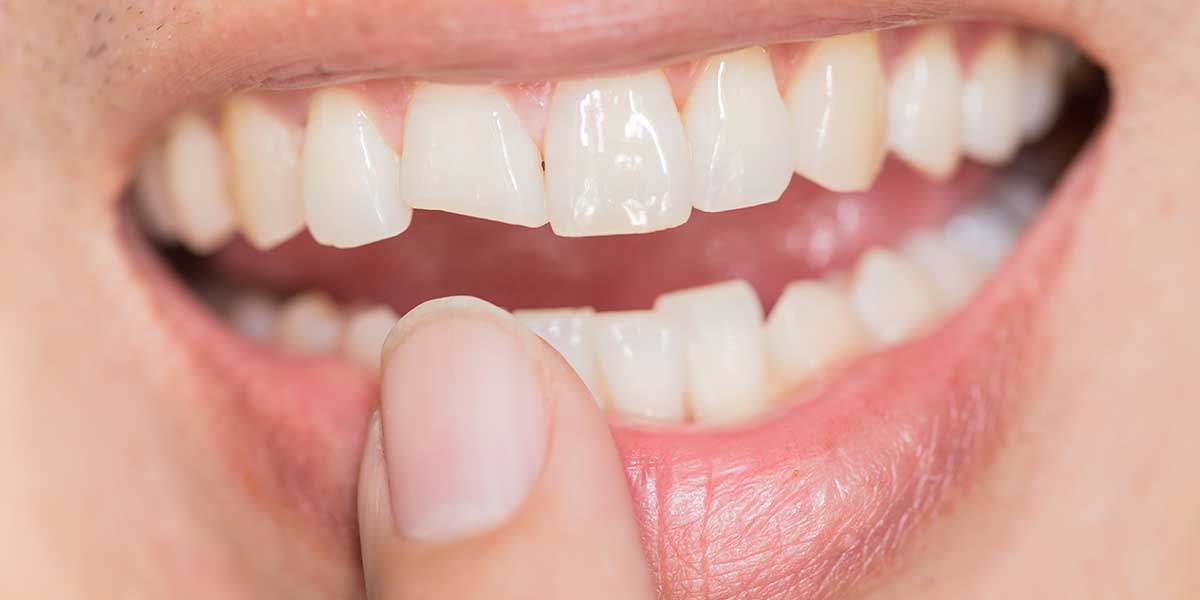
One moment, you are enjoying a meal, and the next, something feels very wrong in your mouth. Figuring out what to do with a chipped tooth quickly is key to protecting your smile and avoiding complications down the line. South Rock Dental has put together this guide to walk you through everything, beginning with the role that regular dental care plays in keeping your teeth strong.
Your Local Dentist in South Surrey, BC, Can Help You Stay Ahead of Dental Emergencies
The best time to prepare for a dental emergency is before one ever happens. Building a relationship with a trusted dentist in South Surrey, BC, gives you a care team that already knows your bite, your history, and your risk factors. That familiarity means faster, smarter decisions when something unexpected occurs.
Routine visits do more than just clean your teeth. They give your dentist a chance to catch hairline cracks, weak spots, and worn enamel that might not cause pain yet but could chip under pressure. Patients who come in regularly are far less likely to be caught off guard, and when a dental emergency does happen, their treatment tends to be simpler and less costly.
Why Do Teeth Chip in the First Place?
Teeth are tough, but they are not unbreakable. Biting down on something unexpectedly hard, like an unpopped kernel or a piece of ice, is one of the most common culprits. Sports injuries, nighttime grinding, and weakened dental work can all lead to enamel damage over time.
Some people are simply more prone to chips. A tooth that has already had a large filling or suffered decay is at a much higher risk of a tooth fracture than a healthy, intact one.
Recognising the Severity of a Chip
Chips are not all equal, and the right response depends on how serious yours is. A rough edge that causes no pain is very different from a break that exposes the sensitive inner layers of your tooth. Jaw pain, bleeding, and sharp pressure when biting are signs that the damage runs deeper than the surface.
Consider these common tooth problems with varying severity:
- Hairline chips: Only the very tip of the enamel is gone, with no pain and no enamel damage beyond the outer layer.
- Moderate breaks: The chip extends further into the tooth, often triggering tooth sensitivity to temperature or sweets.
- Deep fractures: This type of tooth fracture reaches the pulp or nerve, causing significant pain and requiring urgent care.
What To Do in the First Few Hours
Knowing what to do with a chipped tooth in those first few hours can actually affect what treatment options are available to you, so do not wait more than a day or two before calling for an appointment.
Gently rinse your mouth with warm water to flush out any debris, and if the area is bleeding, apply soft pressure with a clean piece of gauze. Dental wax pressed over any sharp edges will protect your cheek and tongue until you can see a dentist.
If you find the broken piece of tooth, place it in a small cup of milk to keep it viable.
How a Dentist Will Treat the Chip
Treatment is matched to the extent of the damage, so your dentist will take X-rays and do a full exam before recommending anything. Minor chips that affect only the outer layer are often addressed quickly and comfortably.
Here is a look at the most common approaches:
- Dental bonding: A tooth-coloured resin is applied and sculpted onto the chipped area.
- Dental crown: When the chip removes a large portion of the tooth, a dental crown is placed over what remains to restore its strength and shape.
- Root canal: If bacteria have reached the inner pulp through a deep break, a root canal clears the infection and prepares the tooth for a protective crown.
For very minor surface chips, your dentist may simply smooth and polish the edge so it blends seamlessly with the rest of your tooth.
Your Smile Is in Good Hands at South Rock Dental
Now you know what to do with a chipped tooth, which means you can hopefully enjoy a healthier, more comfortable outcome if it ever happens. At South Rock Dental, we’re committed to helping patients get the prompt and gentle care they deserve. Browse our dental health guide for practical tips on protecting your teeth between visits.
To book an appointment or to ask us a question, call us at (604) 385-2992.