

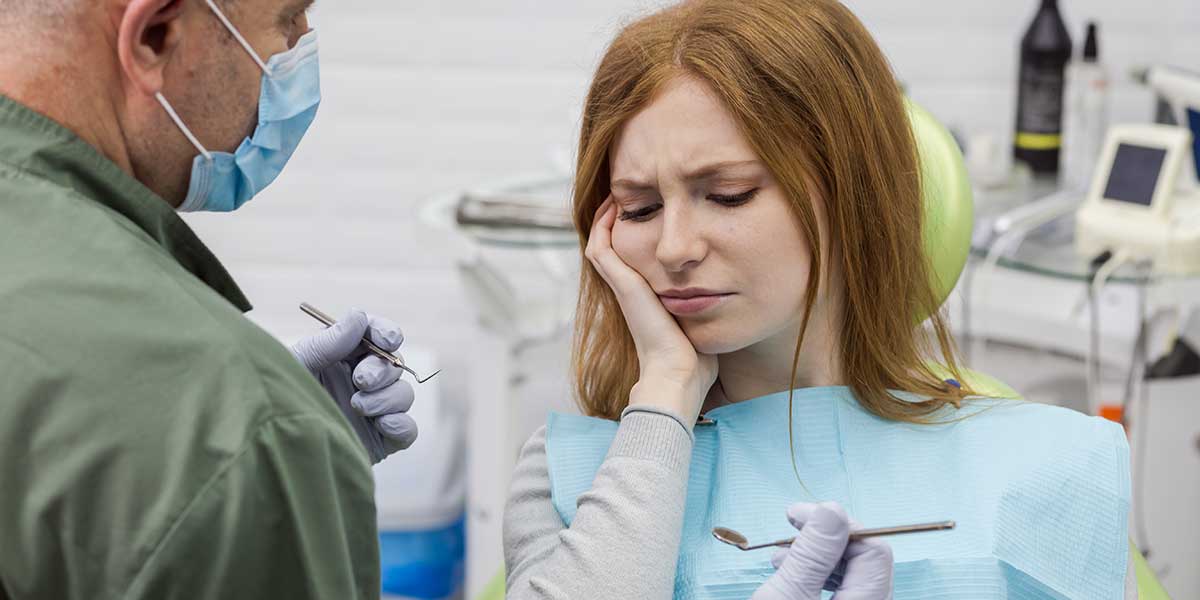
You wake in the middle of the night with a throbbing tooth that makes it difficult to fall back asleep. By morning, the discomfort remains, leaving you wondering whether to change your plans, call a dentist in South Surrey, or wait to see if it settles.
Knowing how to respond to toothaches and dental emergencies can help you decide what to do next. South Rock Dental explains which warning signs require urgent dental care and when symptoms call for a hospital visit.
What Could Be Causing the Pain?
The following conditions can cause discomfort in or around a tooth.
Irritation Inside the Tooth
Deep decay or a faulty filling can irritate the soft tissue inside your tooth. A damaged crown may also leave the underlying structure vulnerable.
Sensitivity that lingers after hot or cold foods may indicate a problem within the tooth. Sharp pain when biting also warrants examination to identify its source.
Infection Around the Tooth or Gums
A dental abscess is a pocket of pus caused by a bacterial infection in the tooth or surrounding gum tissue. It requires professional treatment, even if the discomfort subsides, because pain relief does not confirm that the infection has cleared.
How To Protect Your Teeth From Everyday Damage
Protecting your teeth during everyday activities may reduce the risk of unexpected pain. Wear a properly fitted mouthguard for contact sports to cushion impacts. Avoid using your teeth to open packaging or biting hard objects that could cause a crack.
If you clench or grind your teeth, ask your dentist whether a night guard is appropriate. These habits can place repeated pressure on teeth, even when you notice no discomfort.
Does a Mild Toothache Need Immediate Care?
Brief sensitivity or an occasional mild ache may not require same-day care if none of the common warning signs are present. Recurring discomfort should still be examined. Contact the dental office for advice on when to schedule an appointment based on your symptoms.
Which Toothache Symptoms Need Urgent Dental Care?
Seek prompt care for toothaches and dental emergencies involving any of the following warning signs:
- Uncontrolled pain: Severe tooth pain that does not improve with appropriate pain relief
- Pain after injury: Discomfort involving a broken or damaged tooth
- Visible signs of infection: Pus or a swollen bump near the affected tooth
Call the dental office promptly so the team can advise how quickly you need to be seen.
What Happens During an Urgent Dental Assessment?
Your dentist asks when the pain began and whether it has changed. They then examine the affected area and may take dental X-rays to check for problems that are not visible during the exam.
The findings guide treatment. A damaged restoration may need repair, while an infected tooth could require drainage or root canal treatment. Extraction may be recommended if the tooth cannot be saved.
Antibiotics aren’t needed for every toothache and don’t replace necessary dental treatment.
How To Manage Discomfort While Waiting for Care
After arranging care, these tips may help you stay comfortable:
- Gentle cleaning: Rinse with warm water and carefully floss if food is trapped between teeth.
- Cold compress: Apply a wrapped cold pack to the outside of your cheek for short periods.
- Appropriate pain relief: Follow the medication label and ask a pharmacist if you are unsure what is safe for you.
- Meal adjustments: Choose soft foods and avoid chewing on the painful side.
If symptoms worsen despite these steps, contact the dental office rather than waiting for your scheduled visit.
When Should You Go to the ER?
Some toothaches and dental emergencies require hospital care when the following symptoms occur:
- Trouble breathing or difficulty swallowing
- Rapidly increasing facial swelling that extends toward the eye or down the neck
- Fever and chills alongside tooth pain, particularly if you feel very unwell
Call 911 for breathing problems, and seek immediate hospital care for the other warning signs. After stabilization, follow-up treatment with a dentist is still needed to address the cause of these dental emergencies.
Get Clear Guidance From South Rock Dental
At South Rock Dental, we offer emergency appointments and treatment plans tailored to your needs. Our dentist, Dr. Sundeep Chohan, has completed the DENTA4 program, gaining additional training in airway care and temporomandibular disorders (TMDs) affecting the jaw joints and chewing muscles.
We also address common dental issues during routine visits to help patients maintain their oral health. For guidance on toothaches and dental emergencies, call our office at (604) 385-2992.